

Suffering from Sciatica? Physical Therapy Has Solutions
January 2026 Newsletter
Exploring Sally’s Symptoms
Sally’s pain was quite severe. She mostly felt it in her right leg–a shooting, electric pain that seemed to split down the back of her calf muscle. Occasionally, she felt a dull ache in her lower back, but her leg pain caused her the most trouble. It was worse when she was lying down or had to be on her feet for long periods.
The other issue–and the reason she ultimately found her way to our clinic–was that she also experienced a persistent pins and needles sensation down the back of her leg, which alarmed her. As her leg began to feel weak and heavy, she knew her symptoms weren’t going away on their own.
Identifying the Root Cause
Our physical therapists listened to Sally explain her symptoms and then performed a comprehensive physical evaluation to assess her strength, range of motion, and key areas. We also took a complete health history.
While we could confidently say Sally had sciatica, it was more important for us to determine why she had it. The truth is that sciatica isn’t so much a condition in and of itself as a sign that something is wrong with the sciatic nerve–usually that it’s been compressed or irritated.
So we dug a little deeper and confirmed what we suspected: Sally had developed a herniated disc. Herniated discs occur when the cushiony material between the spine’s vertebrae bulges outward. In Sally’s case, that bulging disc was pressing against her right sciatic nerve root, sending symptoms radiating down the nerve itself.
Addressing the Issue
Once we knew Sally’s sciatica had developed due to a herniated disc, we were able to create a personalized treatment plan to address it. Fortunately for Sally, physical therapy is an excellent way of resolving pain from a herniated disc.
We began with acute pain management, particularly through manual therapy techniques like spinal mobilizations (guiding the back through its current range of motion) or soft tissue manipulation (a massage-like manipulation of the muscles and other tissue).
These techniques offered acute pain relief so Sally could begin working on a personalized exercise program. At first, we focused on gentle back stretches and encouraged Sally to walk around her block a few times a week.
But as she improved, we began incorporating core strengthening exercises, too. Why core strength? Well, your core muscles support and stabilize the spine; the stronger they are, the more support they offer the lower back. We guided her through a progressive series of exercises, increasing the intensity as she got stronger.
Finally, we gave Sally the tools she needed to prevent future herniated discs. Namely, we encouraged her to stay active, maintain her spine mobility, and continue strengthening her core. We also showed her proper lifting technique so she would be less likely to injure herself.
Find Your Own Sciatica Relief Today
If you have sciatica symptoms, you don’t have to suffer! The team at SMART Sports Medicine can help you pinpoint the cause of your sciatica and find a solution that works for you. Call us today to get started.
Sources: https://www.ncbi.nlm.nih.gov/books/NBK507908/, https://www.acpjournals.org/doi/abs/10.7326/m20-4187, https://www.sciencedirect.com/science/article/pii/S1836955320300229

Our Patients Get Great Results
“Dr. Ross is an excellent doctor who I would recommend to anyone. His staff is friendly and easy to work with. I would always recommend SMART Sports Medicine.”
—D. V.

Simple Sweet Potato & Black Bean Chili
- 2 sweet potatoes, peeled & chopped
- 1 onion, chopped
- 2 cans black beans, drained & rinsed
- 1 can diced tomatoes
- 2 cups broth (vegetable or chicken)
- 1 tbsp chili powder
- 1 tsp cumin
- Salt & pepper
- In a big pot, cook onion in a little oil until soft.
- Add sweet potatoes, chili powder, cumin, salt & pepper. Stir.
- Add beans, tomatoes, and broth. Stir.
- Simmer until sweet potatoes are tender (about 20 min).
- Taste and season more if needed. Serve!
Exercise of the Month
Modified Piriformis Stretch
(Hips, Glutes, Sciatic Nerve)
Start by lying on the ground with knees bent and feet flat on the floor. Cross one ankle over the opposite knee and gently apply pressure to the top knee to deepen the stretch. Hold for 30 seconds. Slowly lower your leg back to the floor and repeat on the other side. 3 Sets, 2 Reps.
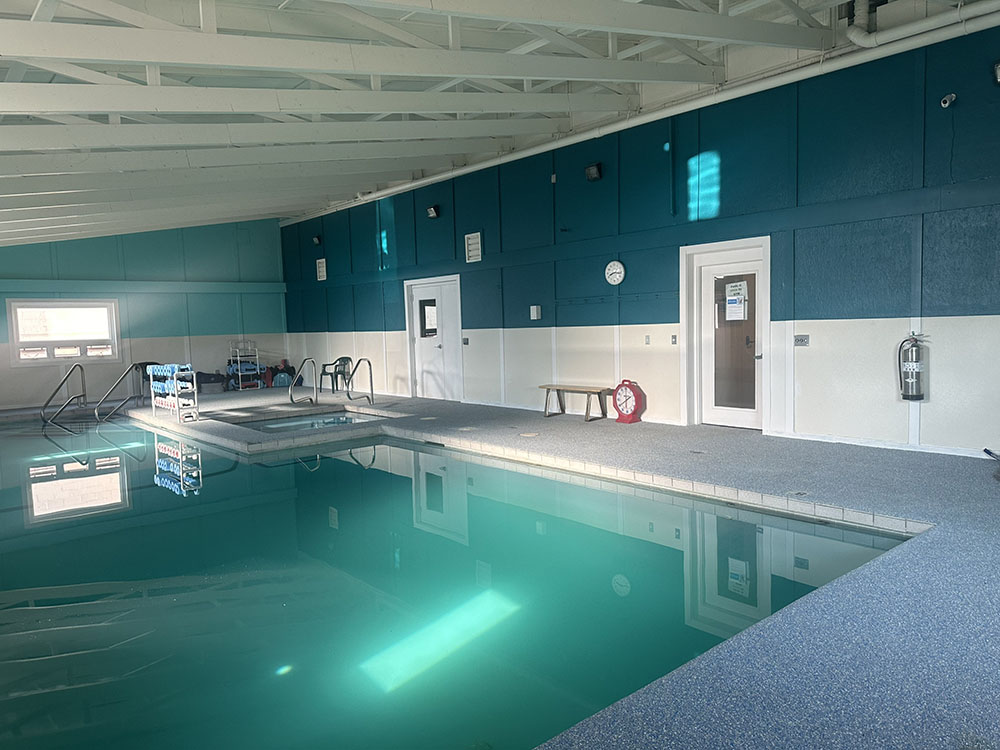
Discover the healing benefits of our 90-degree heated saltwater pool at SMART Sports!
This warm, therapeutic environment is perfect for easing joint pain, calming muscle spasms, and loosening stiffness—especially for those with arthritis or chronic aches and pains. Gentle pool exercises can help you move more comfortably and confidently. Don’t forget to check out our relaxing therapeutic hot tub!

Check Out Our Private Swim Lessons!
Make a splash with SMART Sports Medicine Center! Did you know we offer private swim lessons for just $35 per session? Become a member and enjoy individual lessons for only $25 each for up to 3 swimmers. Plus, membership gives parents full access to our gym and pool during business hours. Dive into fitness, fun, and convenience all in one place!
8 Great Reasons to Join Our 24-Hour Gym
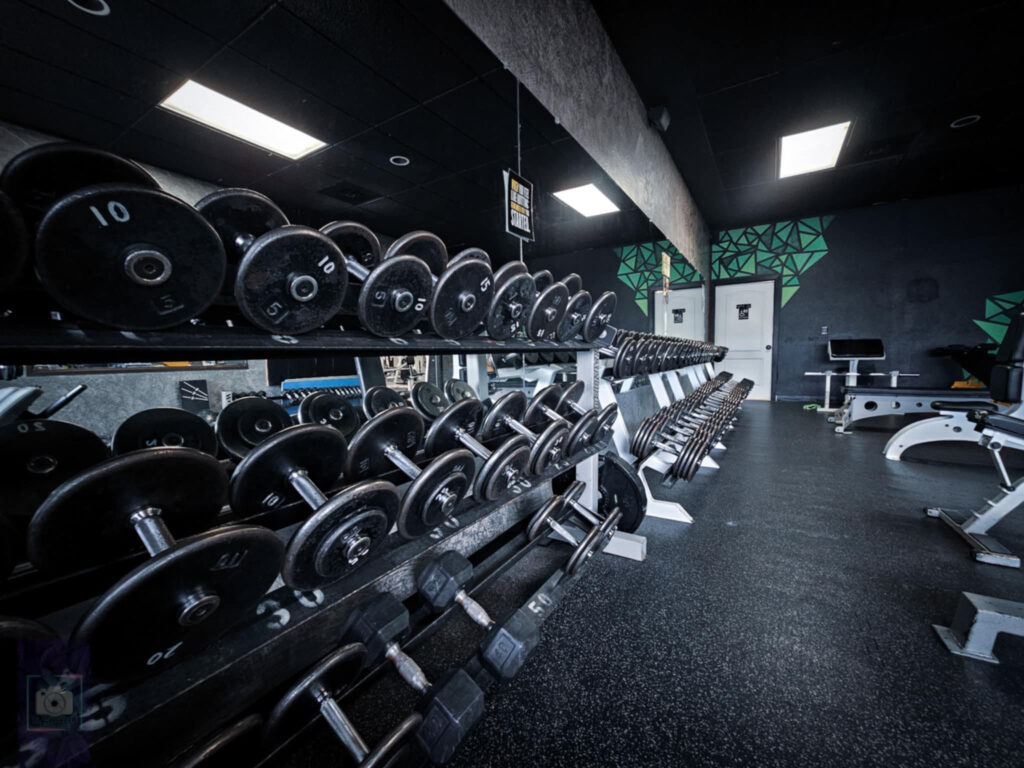
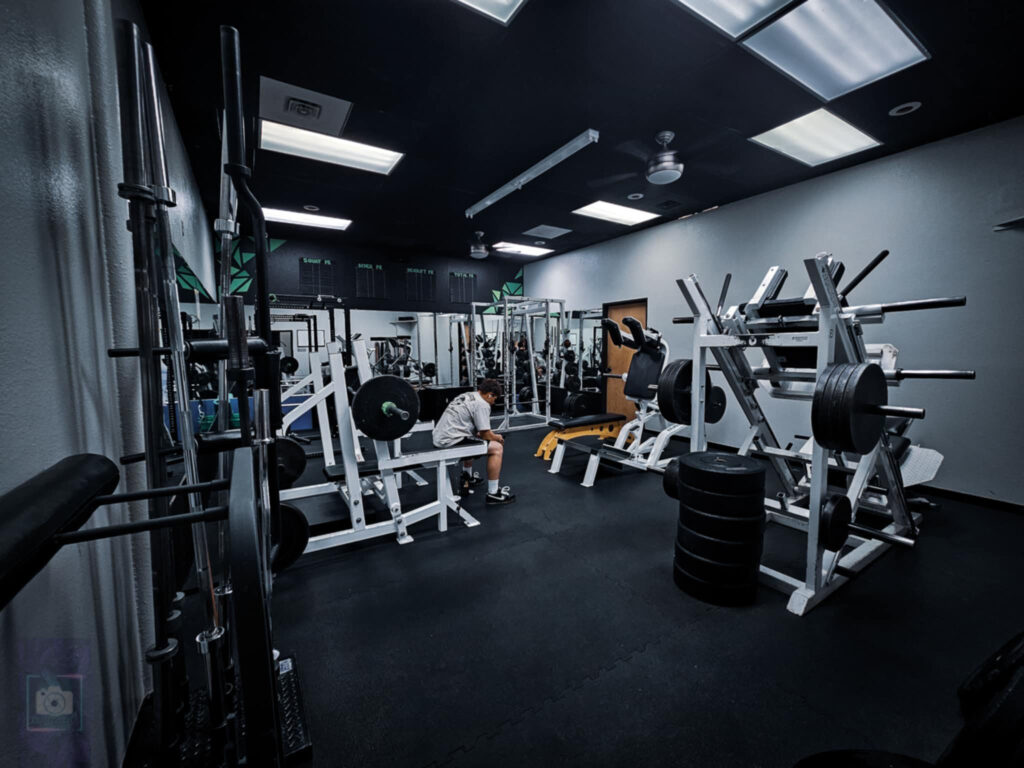
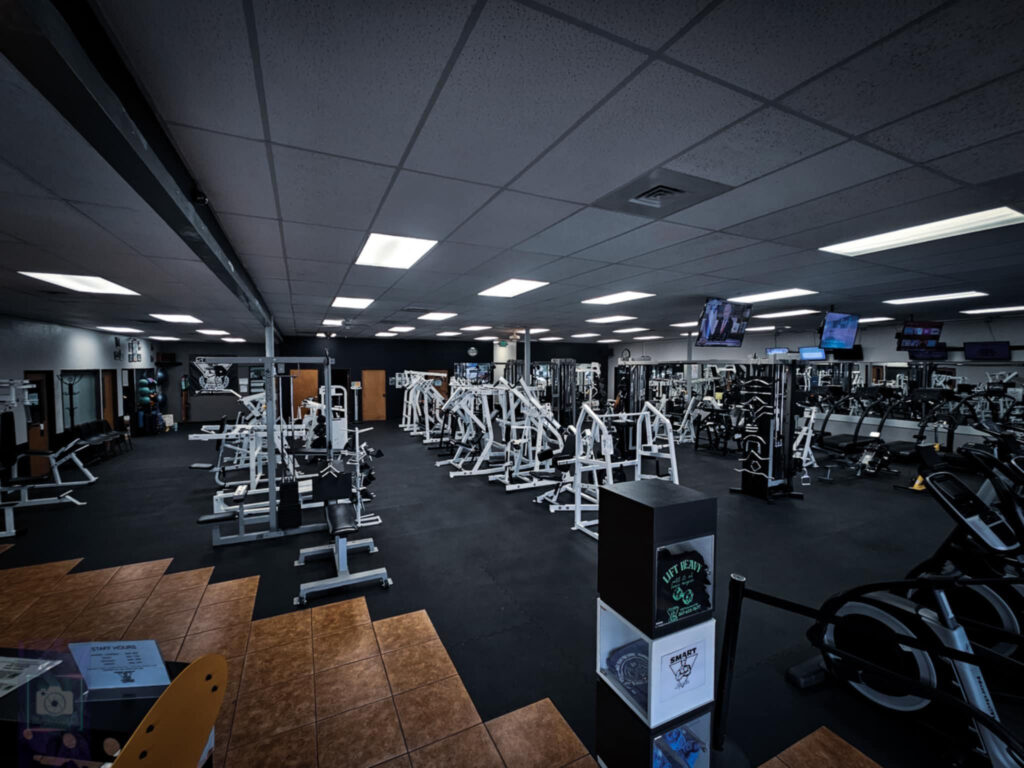
Divided into four specialized areas, our 24-hour gym makes it easy to pursue your goals at a pace, intensity level, and time of day that’s right for you.
Whether you’re looking to amp up your powerlifting routine, get in a full-body workout, enjoy a low-impact run, or give group fitness classes a try… we’d be thrilled to welcome you into the SMART Sports family!
“WOW! This is the place to exercise. The staff is friendly and knowledgeable. The equipment is top-notch. THEY HAVE EVERYTHING HERE!” — Ryan O.
Your membership at SMART Sports gives you access to:
- 24-hour main gym
- Heavy lifting room
- Core/stretching area
- 90° Saltwater pool
- Free fitness classes
- Infrared sauna (business hours only)
- Access to personal training
- Retail area with energy and pre-workout drinks, protein bars, and vitamins
Let’s Get You Better ASAP!
Don’t let pain dictate your life. Take the first step towards reclaiming your mobility and well-being with our expert support. Start your journey to a healthier you today.