

A Comprehensive Look at How Posture Affects the Shoulder
April 2026 Newsletter
A lot of people know the old song about how the foot bone is connected to the knee bone (and the knee bone is connected to the thigh bone, and so on). In the world of physical therapy, we call this regional interdependence. This means something in one area of the body is affecting another area. As the song says: it’s all connected.
Well, this is definitely true when it comes to the functioning of our shoulder joints. Poor postural habits and prolonged slumped postures put the shoulder in a vulnerable position, making it susceptible to pain or injury. The good news is our therapists at SMART Sports Medicine have extensive training in identifying all the factors that are contributing to your shoulder pain and, most importantly, how to resolve them, one by one!
How Posture Impacts the Shoulder
One significant factor contributing to shoulder pain is Upper Crossed Syndrome (UCS). This condition is characterized by postural changes that affect how the muscles of our upper back and shoulder girdle work, which in turn affects the normal movement patterns in the entire upper portion of the body.
The classic signs of Upper Crossed Syndrome include:
- Forward head posture: The head is positioned forward in relation to the shoulders.
- Rounded shoulders: The shoulders are rounded forward, causing the upper back to appear hunched.
- Increased thoracic kyphosis: The upper back has an increased curvature, leading to a rounded appearance.
- Protracted shoulder blades: The shoulder blades are positioned more forward and away from the spine.
- Weak deep neck flexors: The muscles at the front of the neck that help stabilize the head are weak.
- Tight pectoral muscles: The muscles in the chest area are tight and may contribute to the rounded shoulder posture.
- Weak scapular stabilizers: The muscles that stabilize the shoulder blades are weak, leading to altered movement patterns.
These issues often lead to shoulder pain, limited range of motion, and impaired muscle function. Although the signs are common in a lot of people, not everyone with these signs will have the same symptoms. This is why it is essential to consult one of our physical therapists to identify your specific needs and design a tailored treatment plan that addresses your situation.

The Role of Physical Therapy in Resolving Your Pain
The first step to resolving your shoulder pain is a comprehensive evaluation. Our physical therapists will conduct a thorough history and physical exam that includes an assessment of your posture as well as the function of your shoulder blade musculature to identify any obvious changes to muscle activation and movement patterns.
Based on the assessment, our physical therapists will design tailored exercise regimens that address not only muscle length and strength but also neuromuscular factors. This could lead to more lasting relief and functional improvement.
Our team uses a functional approach that is rooted in neurology. We consider the interaction between your nervous system, biomechanics of your spine and shoulder joints, as well as muscle function. This allows us to not only identify and address any imbalances in muscle length and strength, but also from neuromuscular factors like muscle recruitment.
These exercises may include work on your spinal joint mobility and strengthening exercises to correct any postural dysfunctions contributing to your conditions. Our team spends a lot of time educating you about how you are holding and moving your body to ensure you have the tools to train your body in the proper movement patterns that help to correct imbalances and offer lasting relief.
Take the First Step Towards Lasting Relief Today
If you’re experiencing persistent shoulder pain, limited range of motion, or discomfort in your upper body, the time to act is now. These signs are not just distressing; they can have a long-term impact on your quality of life and overall well-being.
Reach out to SMART Sports Medicine today for a comprehensive assessment and personalized treatment plan designed to restore balance to your muscles, improve your posture, and, most importantly, alleviate your pain!
Sources: https://trialsjournal.biomedcentral.com/articles/10.1186/s13063-020-4159-9, https://www.jospt.org/doi/10.2519/jospt.2020.0501, https://www.jospt.org/doi/full/10.2519/jospt.2020.8498

Our Patients Get Great Results
“Dr. Ross is an excellent doctor whom I would highly recommend. His staff is friendly and professional, making the entire process easy. I will always recommend Smart Sports Medicine.”
— D.

Go to the Pain, Not Through the Pain
The days of “no pain, no gain” are hopefully in the past. The idea of emphasizing pushing through discomfort to achieve results is not an effective solution for most people dealing with a painful condition, injury, or chronic condition. In fact, recent research suggests that a more holistic approach is effective and, indeed, safer for patients.
Pain is our body’s way of letting us know that something is happening in the body. When a nerve ending is triggered, an impulse travels to the brain, alerting us that something is happening. It is a warning sign or an alarm. How this impulse is interpreted varies from person to person and is influenced by a multitude of factors. Aggressively pushing through pain can worsen the underlying issues and potentially result in long-term damage. The key is getting help from people who work with painful conditions every day, like our therapists at SMART Sports Medicine!
How Physical Therapy Can Help You Find Relief
In cases of musculoskeletal disorders and injuries, applying excessive stress on already agitated tissues can prolong the healing process and even cause further injury. In comparison, going to the pain but not through it means cautiously approaching the edge of discomfort without crossing it, which can help your body progress without delaying your recovery.
Our objective is to work within a “therapeutic window”: a range of activities that stimulates the body’s natural healing mechanisms without triggering negative responses.
At SMART Sports Medicine, we educate our patients about pain to help them understand their conditions better and actively participate in treatment. Our therapist can help you learn “pacing,” where activities are broken down into manageable parts, helping you to avoid extreme ups and downs of feeling good one day and an increase in pain and inactivity the next.
By respecting the body’s pain signals and working within a therapeutic window, our approach aims to achieve long-term functional gains without the risks associated with pushing through pain.
Exercise of the Month
Standing Dumbbell Reverse Fly
(Upper Back, Shoulders)
Stand with your feet hip-width apart, holding a dumbbell in each hand. Hinge forward slightly at the hips with a flat back, letting your arms hang down with palms facing each other. Keeping a slight bend in your elbows, lift both arms out to the sides until they reach shoulder height. Squeeze your shoulder blades together, then lower back down with control. 3 Sets, 10 Reps. (Materials needed: dumbbells)

Antioxidant Rich Berry Smoothie
A vibrant, refreshing blend of mixed wild berries, creamy Greek yogurt, and a splash of almond milk. Naturally sweet, slightly tart, and packed with free-radical-fighting antioxidants to energize your morning.
Ingredients
- 1 cup mixed berries (blueberries, strawberries, raspberries – frozen)
- 1 frozen banana
- 1 tablespoon chia seeds
- 1 teaspoon ginger powder
- 1 tablespoon raw cacao powder
- 1/2 cup unsweetened soy milk
- 1 heaped teaspoon nut butter (almond, peanut)
- 1 cup water
- Optional: 1 scoop protein powder
Blend all ingredients until smooth. Add ice or extra milk if needed for consistency.

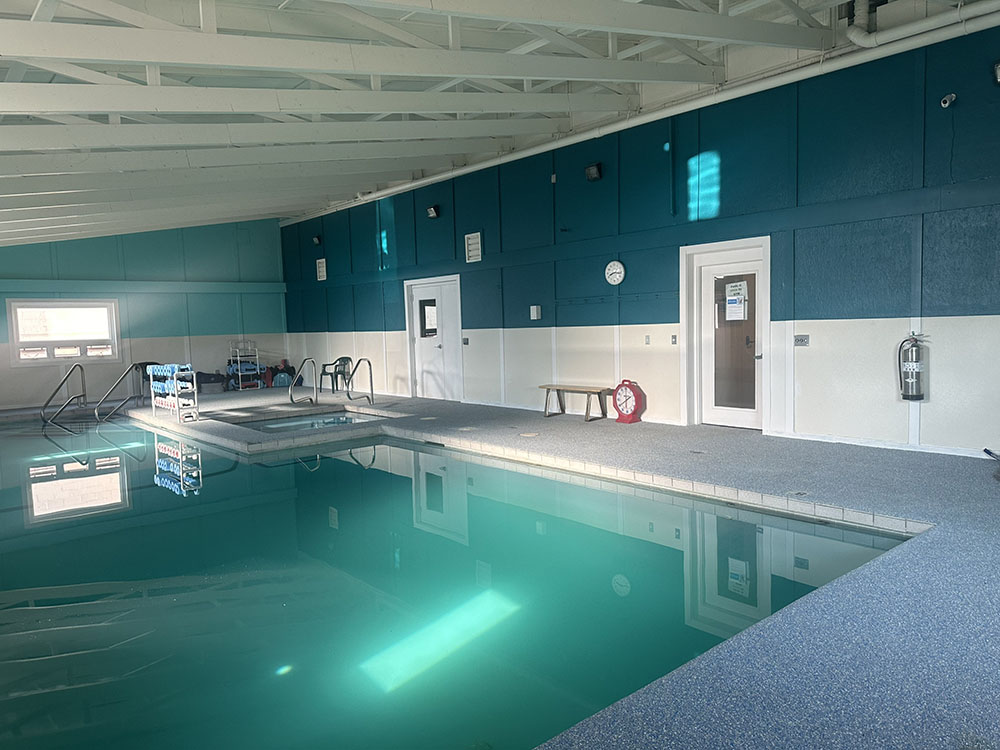
Discover the healing benefits of our 90-degree heated saltwater pool at SMART Sports!
This warm, therapeutic environment is perfect for easing joint pain, calming muscle spasms, and loosening stiffness—especially for those with arthritis or chronic aches and pains. Gentle pool exercises can help you move more comfortably and confidently. Don’t forget to check out our relaxing therapeutic hot tub!

Check Out Our Private Swim Lessons!
Make a splash with SMART Sports Medicine Center! Did you know we offer private swim lessons for just $35 per session? Become a member and enjoy individual lessons for only $25 each for up to 3 swimmers. Plus, membership gives parents full access to our gym and pool during business hours. Dive into fitness, fun, and convenience all in one place!
8 Great Reasons to Join Our 24-Hour Gym

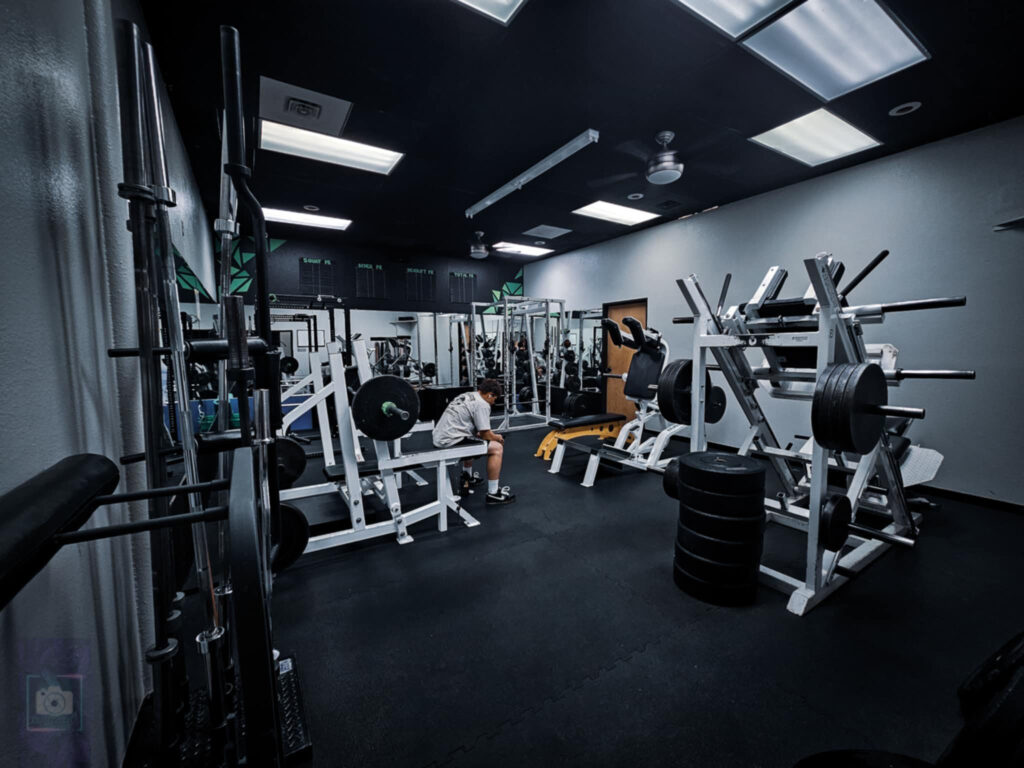
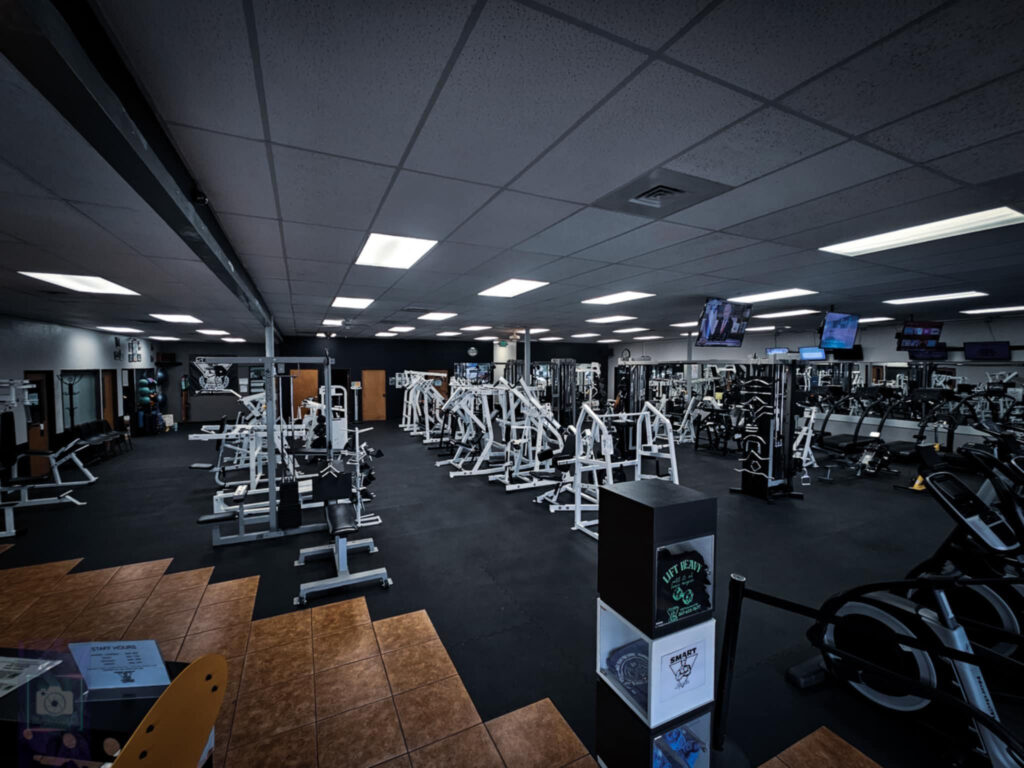
Divided into four specialized areas, our 24-hour gym makes it easy to pursue your goals at a pace, intensity level, and time of day that’s right for you.
Whether you’re looking to amp up your powerlifting routine, get in a full-body workout, enjoy a low-impact run, or give group fitness classes a try… we’d be thrilled to welcome you into the SMART Sports family!
“WOW! This is the place to exercise. The staff is friendly and knowledgeable. The equipment is top-notch. THEY HAVE EVERYTHING HERE!” — Ryan O.
Your membership at SMART Sports gives you access to:
- 24-hour main gym
- Heavy lifting room
- Core/stretching area
- 90° Saltwater pool
- Free fitness classes
- Infrared sauna (business hours only)
- Access to personal training
- Retail area with energy and pre-workout drinks, protein bars, and vitamins
Let’s Get You Better ASAP!
Don’t let pain dictate your life. Take the first step towards reclaiming your mobility and well-being with our expert support. Start your journey to a healthier you today.