

January 2025 Newsletter

Do you suffer from a painful orthopedic condition such as spinal stenosis or osteoarthritis? Many think surgical intervention is the only way they’ll ever find relief. However, you have another option: physical therapy at SMART Sports!
There’s no denying that surgery is a significant decision – and one that brings with it several risks, including blood clots, infections, and more. That’s why most doctors will encourage you to consider your options before booking a surgeon. For orthopedic concerns, that means looking to physical therapy.
In fact, physical therapy is actually a frontline treatment for several musculoskeletal conditions, from arthritis to ligament injuries, meaning you absolutely should try it first! Regular physical therapy treatments can help delay your surgery – and, in some cases, avoid it altogether.
If you feel you may be on the path to needing surgery, don’t hesitate to give our team a call. We’ll provide specific information about how our physical therapists can help you avoid or delay surgery.
Conditions That Respond Well to Physical Therapy
People opt for surgery to reduce pain and improve their functionality and mobility. The good news is that physical therapy can do exactly that for several different musculoskeletal conditions, including the following:
Osteoarthritis
People with severe osteoarthritis often resort to total joint replacements to address their symptoms. But if you can begin physical therapy early on, you can slow the condition’s progression.
Partial Ligament Tears
While a full ligament tear typically requires surgical intervention, less severe ligament injuries respond well to physical therapy.
Spinal Stenosis
This condition causes a painful narrowing in the spinal column, but you can manage your pain and mobility restrictions with gentle, targeted exercise.
Degenerative Disc Disease
A common side effect of aging, physical therapy is more beneficial for treating DDD than surgery in most cases.
Herniated Discs
This is another condition that physical therapy can generally resolve more easily than surgery.
Physical Therapy vs. Surgery: Here’s What We Can Offer
The exact details of your physical therapy treatment will vary based on several factors, including the condition or injury, your current health status, and your overall goals. Our team will work closely with you to develop a customized plan that meets your needs.
Generally speaking, we’ll begin with an extensive evaluation to help us get to the root of your discomfort. From there, we’ll pull from several different techniques to help you manage pain, eliminate restrictions in your range of motion, and improve your overall function.
Ultimately, our goal is the same as any orthopedic surgery: to help you live a rich, active lifestyle, free from pain and immobility. However, we can do it with a few extra benefits:
Lower Costs
Surgeries are far more expensive than physical therapy. Comparisons in prices estimate that surgery costs at least $2 per year for every $1 spent on physical therapy.
Less Time
Surgery is a highly invasive procedure that requires lengthy rehabilitation. Healing alone typically takes several weeks, and it can take up to a year before you’ve fully rehabilitated – during which time you’ll be doing extensive physical therapy anyway. Why not skip the extra step?
Decreased Risks
Surgery brings a host of medical risks, from blood clots to dependency on painkillers. Because physical therapy is non-invasive, the risk is minimal (especially compared to surgery). It also offers drug-free pain relief options.
That said, seeking physical therapy treatment sooner rather than later is essential – this is especially true for degenerative conditions such as osteoarthritis. It’s also essential you keep active outside of our clinic. Many of these conditions benefit from regular movement, so you’ll want to find an exercise program that suits your needs (something our therapists can help you with).
And if you do wind up needing surgery down the road, you’ll already be prepared for your rehabilitation after the procedure!

Skip The Knife; Try Physical Therapy Instead
If you have a painful musculoskeletal condition, don’t resort to surgery – visit SMART Sports first to find out if physical therapy might be a better solution for you.
Contact us today to get started!
Our Patients Get Great Results
“I slipped on the ice this winter & broke a bone. Dr. Ross quickly worked me in. I knew I could trust him to make a treatment plan based upon his expertise and integrity. I’m so thankful that I was able to avoid surgery and am now fully healed up. My thanks to Dr. Ross.”
– Sherri L.

You Had Surgery
But You’re Still Struggling with Pain!
Many people mistakenly believe that surgery is a cure-all: that once they work through their rehabilitation, they’ll be back to their old selves. While this is true sometimes, other times, people find that they’re still struggling with pain or limited mobility after a surgical procedure.
If this has been your experience, then know that physical therapy may be the tool you need to find lasting relief. Just as the team at SMART Sports can help people avoid or delay surgery, we can also ensure your surgery provides you with a successful outcome. What can we do?
• Manual therapy helps with pain and range of motion restrictions. These hands-on techniques can gradually help restore your mobility over time.
• Mobility exercises take things a step further in terms of restoring your range of motion.
• Strengthening exercises will help build muscular strength and endurance to provide support and stability to the affected joint.
• Functional training will help you relearn movements you thought you’d lost. We can also help improve gait or balance and help you perform day-to-day activities like going up or down stairs more easily.

We’re Here For You!
If you’re still struggling with pain and mobility after an orthopedic surgery, call us to schedule an appointment. We’ll work together to find a plan that suits your needs and goals!
Exercise of the Month
Knee Extension AROM
Start by sitting up straight on the edge of a table with your legs hanging off. Slowly extend one knee all the way until your leg is straight without letting your back round. Then, allow your knee to bend back down. Repeat with your other leg. Continue alternating as directed by your physical therapist. Perform 3 sets of 10 reps.



Feel Better by Eating Better!
Garlic Parmesan-Stuffed Mushrooms
- 15 mushrooms
- 1 tbsp canola oil
- 2 tbsp garlic, chopped
- ½ tbsp kosher salt
- ½ tbsp black pepper
- 8 oz cream cheese, softened
- ¼ cup Italian breadcrumbs
- ½ cup shredded parmesan cheese, divided
- 2 tbsp fresh parsley, chopped
- 1 teaspoon kosher salt
- 1 tsp black pepper
- fresh parsley, chopped, to garnish
Directions: Preheat oven to 350° F (180°C). Cut the stems off of each of the mushrooms and finely chop them, setting the mushroom caps aside for later. Heat the oil in a pan over high heat. Cook the chopped stems with the garlic, salt, and pepper for about six to eight minutes, constantly stirring. Remove from heat. In a medium bowl, combine cooked stems, cream cheese, breadcrumbs, half of the parmesan, parsley, salt, and pepper, mixing until evenly combined. Space out the mushroom caps evenly on a baking sheet, upside down. Spoon a generous amount of the cream cheese mixture on top of each mushroom. Top each mushroom with a sprinkle of parmesan cheese. Bake for 20 minutes. Garnish with a sprinkle of parsley, then serve!
Meet Dr. Vincent (Skip) Ross

Dr. Vincent (Skip) J. Ross
Board Certified Sports Medicine & Family Medicine Doctor
8 Great Reasons to Join Our 24-Hour Gym
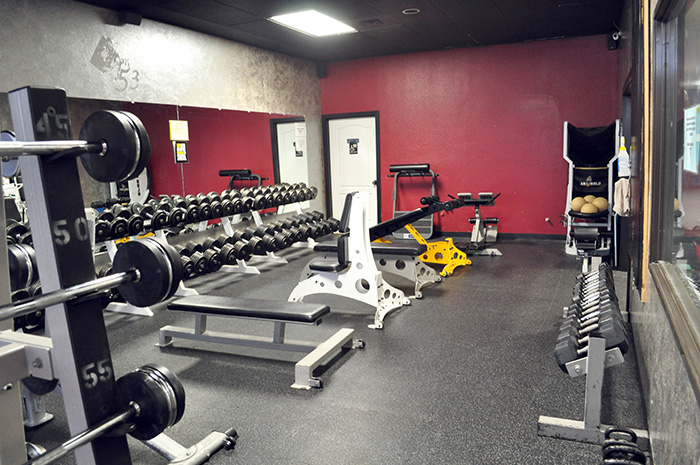
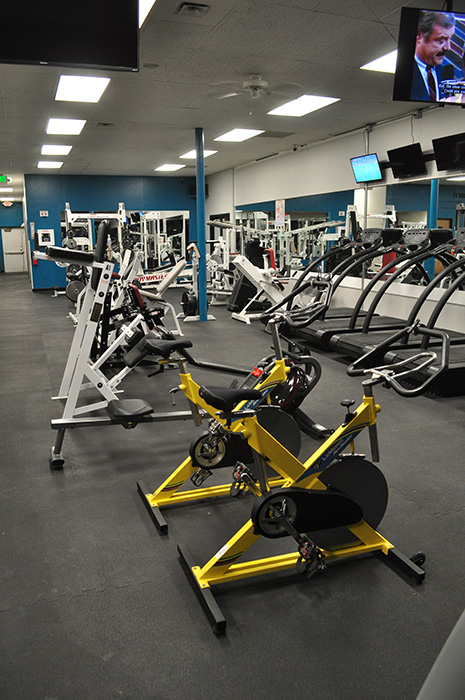
Divided into four specialized areas, our 24-hour gym makes it easy to pursue your goals at a pace, intensity level, and time of day that’s right for you.
Whether you’re looking to amp up your powerlifting routine, get in a full-body workout, enjoy a low-impact run, or give group fitness classes a try… we’d be thrilled to welcome you into the SMART Sports family!
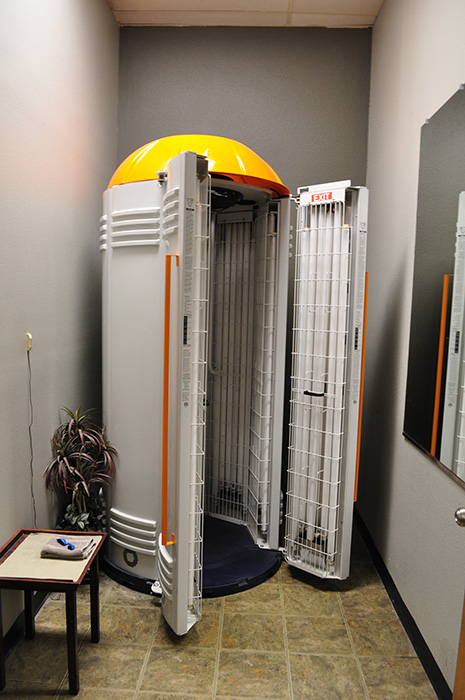
Your membership at SMART Sports gives you access to:
- 24-hour main gym
- Heavy lifting room
- Core/stretching area
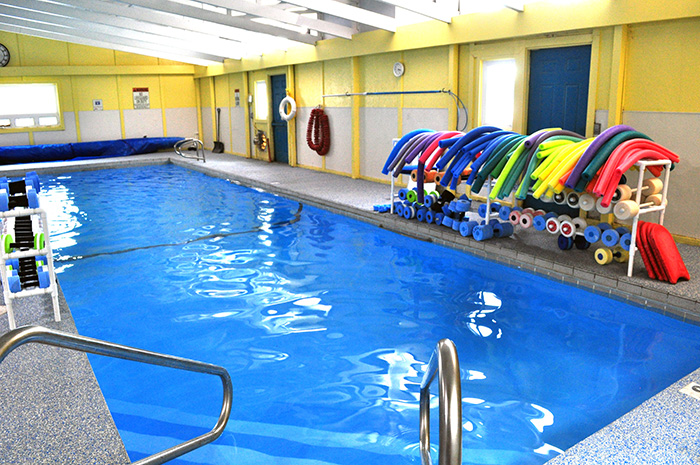
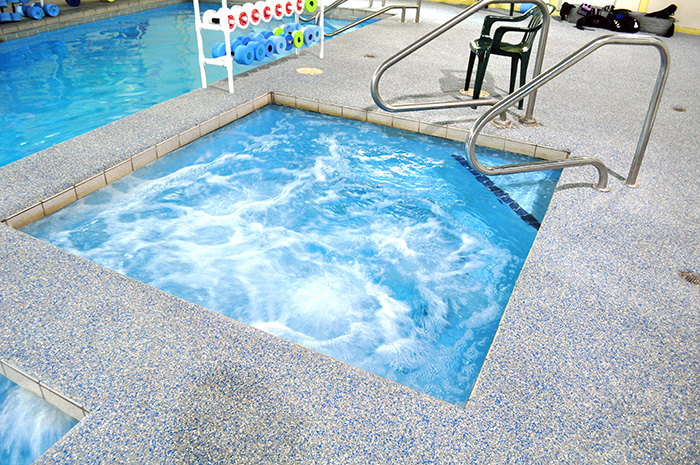
- 90° Saltwater pool
- Free fitness classes
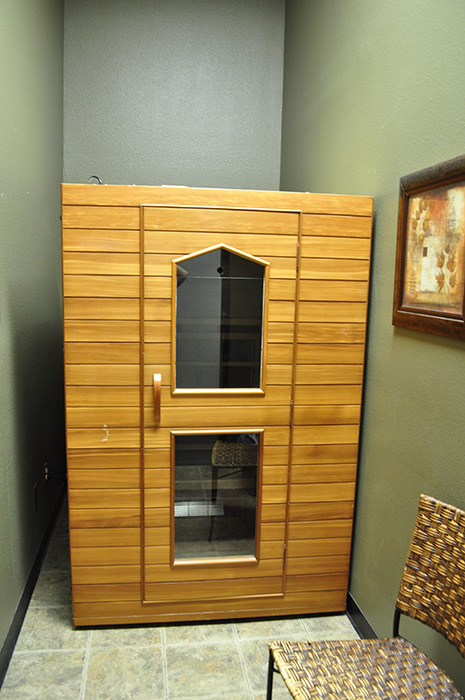
- Infrared sauna (business hours only)
- Access to personal training
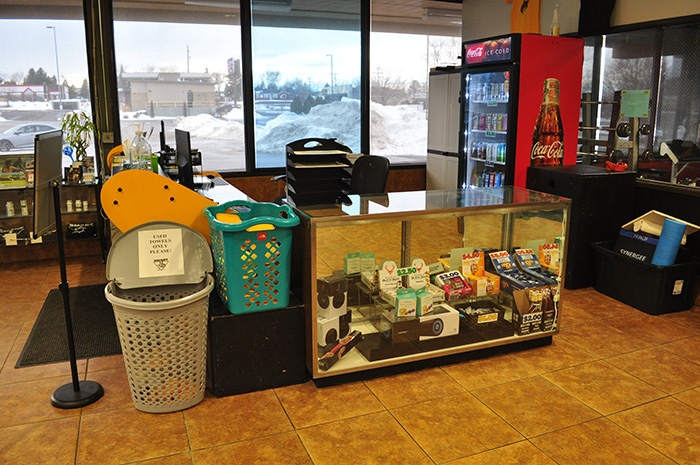
- Retail area with energy and pre-workout drinks, protein bars, cookies, shakes and vitamins
Let’s Get You Better ASAP!
Don’t let pain dictate your life. Take the first step towards reclaiming your mobility and well-being with our expert support. Start your journey to a healthier you today.