

Conquering Ankle and Foot Injuries with Physical Therapy
Regaining Mobility: Ankle and Foot Injury Recovery and Prevention for All
December 2024 Newsletter
Injuries to the ankle and foot can strike anyone, regardless of age or activity level. Whether you’re an avid athlete or simply navigating the daily challenges of life, understanding the path to recovery and injury prevention is vital.
Ankle and foot injuries are common, affecting millions of Americans each year. These injuries can result from various causes, including sports activities, accidents, or overuse. Our physical therapists recognize that ankle and foot health are essential for everyone, and we are well-equipped to assist you in your recovery journey.
At SMART Sports Medicine, our physical therapists specialize in treating ankle and foot issues, offering personalized care for individuals of all backgrounds. Whether you’re a young athlete or an older adult, we are committed to helping you achieve the best possible outcomes!
Unlocking Foot and Ankle Health: Common Injuries and Conditions Treated by Physical Therapists
The foot and ankle are the foundation for our mobility and bear the weight of our daily activities. Unfortunately, they are also susceptible to injuries and painful conditions that can significantly impact our lives. The good news is that our physical therapists are well-equipped to address and treat these issues effectively.
Here are the three most common foot and ankle injuries and painful conditions that physical therapists regularly treat:
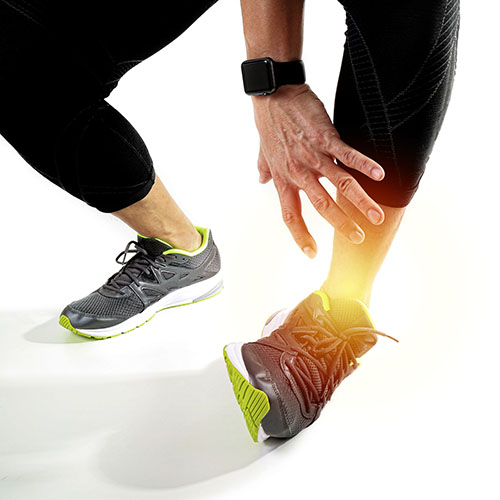
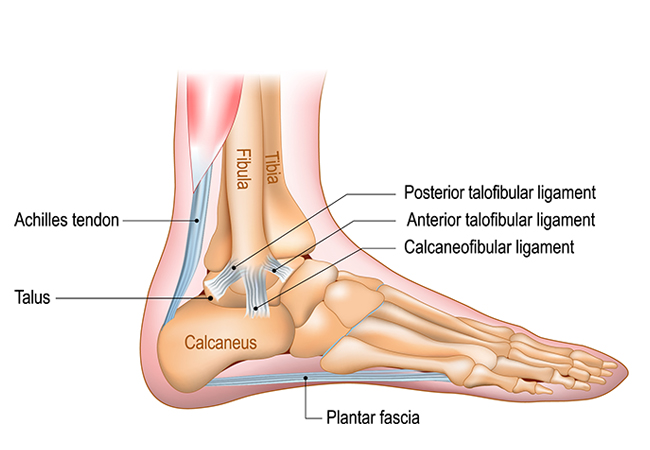
- Ankle Sprains: Ankle sprains occur when the ligaments that support the ankle stretch or tear due to sudden twisting or rolling of the foot. This leads to pain, swelling, and instability.
- Plantar Fasciitis: Plantar fasciitis is a painful condition characterized by degenerative breakdown, and in some cases inflammation of the thick band of tissue that runs along the bottom of the foot. It causes heel pain, especially in the morning or after prolonged standing.
- Achilles Tendinitis: Achilles tendinitis involves inflammation of the Achilles tendon, which connects the calf muscles to the heel bone. It can result from overuse, trauma, or improper footwear.
Don’t let foot and ankle pain hinder your mobility and quality of life. Our physical therapists will help you overcome these common conditions and regain comfort and functionality!
Effective Treatments for Foot and Ankle Injuries
At SMART Sports Medicine, we’ll start with a comprehensive assessment that considers your medical history, including your previous activity level and the specific injury to your ankle or foot. This evaluation forms the basis of your personalized treatment plan.
We recognize that each patient is unique, and we develop personalized treatment plans tailored to your individual needs, including the following:
- Manual Therapy and Exercise: Physical therapists often begin treatment with manual therapy techniques that include joint mobilizations and soft tissue mobilizations. These hands-on methods improve joint mobility, reduce pain, and enhance tissue flexibility. We also use tailored exercises to help restore normal function, strengthen muscles, and improve the range of motion in the foot and ankle.
- Balance and Proprioception Training: Balance and proprioception training are essential for foot and ankle rehabilitation. These exercises target the improvement of proprioceptive awareness and stability, crucial for preventing re-injury. Research indicates that balance training programs effectively reduce the risk of ankle sprains, particularly in athletes and those with a history of previous sprains.
- Modalities: In some cases, our physical therapists may use ultrasound, electrical stimulation, and laser therapy to alleviate pain and accelerate tissue healing. These treatments can be particularly beneficial in the early stages of injury recovery.
- Education and Self-Care: Patient education is a cornerstone of foot and ankle rehabilitation. Physical therapists guide self-care, including home exercises and strategies to prevent further injury. Studies show that patient education significantly improves outcomes and reduces the risk of recurring issues.

Whether recovering from a sprain, managing a chronic condition, or aiming to prevent future problems, our programs offer effective solutions to restore mobility, alleviate pain, and enhance overall foot and ankle health.
Schedule a consultation with our experienced physical therapists today to take the first step towards better foot and ankle health!
Our Patients Get Great Results
“Excellent workout facility, sublime physicians, and very intentional physical therapists. Whether you’re building your physique, rebuilding your body, or just need an informed opinion, there is no better place than SMART Sports. Don’t hesitate, come to SMART Sports and build yourself into who you aspire to be.”
– Hayden H.
Unlocking the Power of Proprioception
A Key to Foot and Ankle Recovery
Imagine taking a step in the dark. Somehow your feet landed safely on the ground, one in front of the other. This remarkable ability is known as proprioception.
Proprioception is our body’s internal GPS, enabling us to navigate the world around us. It relies on specialized sensors in our muscles, tendons, and joints, constantly sending signals to the brain about the position and movement of our limbs. This is what allows us to maintain balance, adjust our gait, and perform precise movements without conscious thought.
When a foot or ankle injury occurs, such as a sprain, the proprioceptive system can be disrupted. Swelling, pain, and changes in joint mobility all send confusing signals to the brain. As a result, our sense of balance and coordinated movements are affected. Walking may feel unsteady, and the risk of re-injury increases. Fortunately, our physical therapists at SMART Sports Medicine can help!
Retraining Proprioception
Our highly skilled physical therapists will help you retrain proprioception after foot and ankle injuries. Here are three examples of how they do it:
- Balance Exercises: We’ll teach you balance exercises that challenge patients to maintain stability on one foot, perform controlled movements, or use balance boards.

- Neuromuscular Reeducation: Your physical therapist will incorporate specific exercises that involve controlled movements, such as toe tapping or heel walking, to reestablish communication between muscles and the brain.
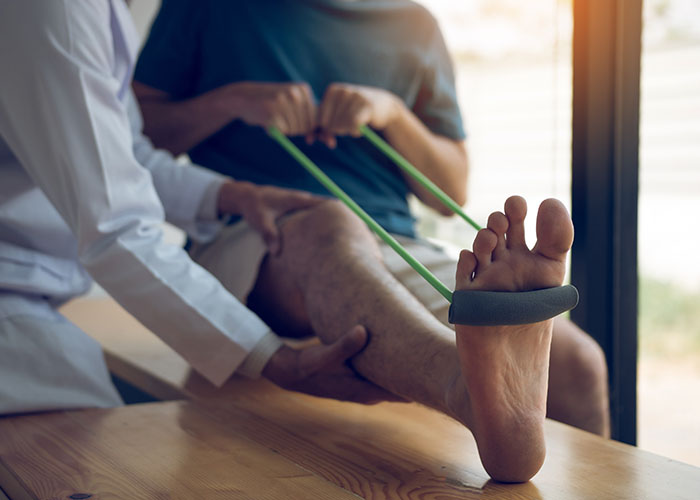
- Functional Activities: Our highly trained therapists will incorporate functional tasks like walking on uneven surfaces, navigating obstacles, or mimicking real-life activities. These tasks re-educate the proprioceptive system to adapt to different environments and movements.
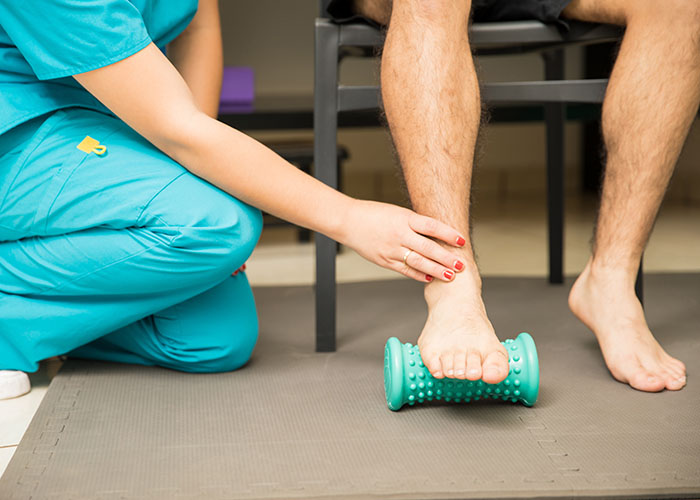
Don’t let an ankle or foot injury limit you. By regaining proprioceptive awareness, you can reclaim your mobility and reduce the risk of re-injury.
Exercise of the Month
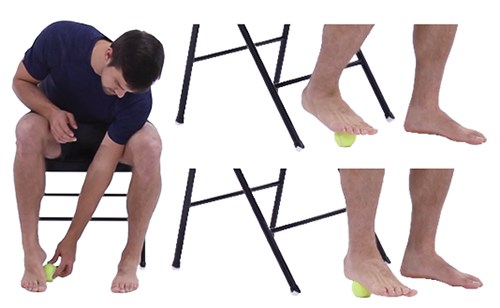
Foot Mobilization (Tennis Ball)
Start by sitting upright in a chair. Place a tennis ball under the foot you want to work just in front of your heel. Slowly roll your foot back so the tennis ball rolls up towards your toes and then roll your foot forwards so the ball goes back towards your heel. Make sure to keep pressure on your foot with the ball throughout the movement. Hold for 30 seconds.


Feel Better by Eating Better!
Roasted Root Vegetables
- 12 oz rutabaga, peeled & cut into ¾-inch pieces
- 8 oz celery root, peeled & cut into 1-inch pieces
- 8 oz peeled baby carrots
- 8 oz fingerling potatoes
- 3 medium parsnips, peeled & cut into 1-inch-thick slices
- 1 medium fennel bulb, cored & cut into
- thin wedges
- 2 shallots, peeled & cut into thin wedges
- 2 tbsp olive oil
- ½ tsp salt
- ½ tsp ground pepper
Preheat oven to 325°F. Combine rutabaga, celery root, baby carrots, fingerling potatoes, parsnips, fennel, and shallots in a shallow roasting pan. Add oil, salt, and pepper; toss to coat. Bake, uncovered, for 1 hour, stirring occasionally. Increase oven temperature to 425°F. Bake, uncovered, about 10 minutes more or until the vegetables are tender and lightly browned.
Meet Justin Brink
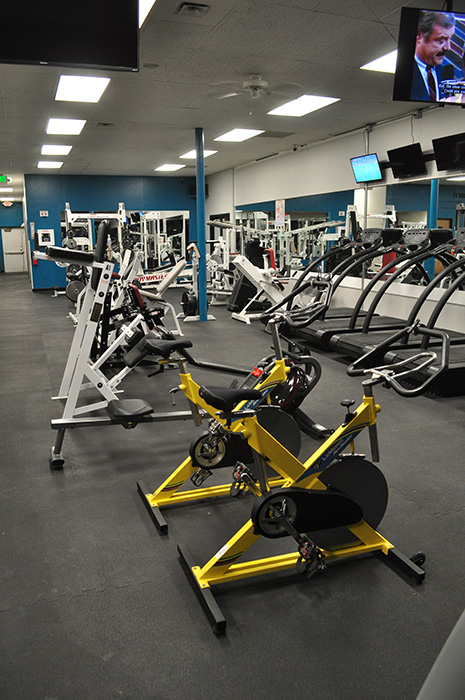
8 Great Reasons to Join Our 24-Hour Gym
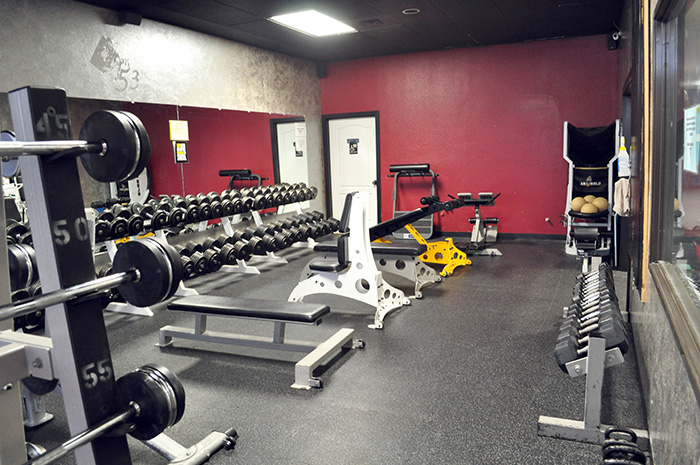
Divided into four specialized areas, our 24-hour gym makes it easy to pursue your goals at a pace, intensity level, and time of day that’s right for you.
Whether you’re looking to amp up your powerlifting routine, get in a full-body workout, enjoy a low-impact run, or give group fitness classes a try… we’d be thrilled to welcome you into the SMART Sports family!
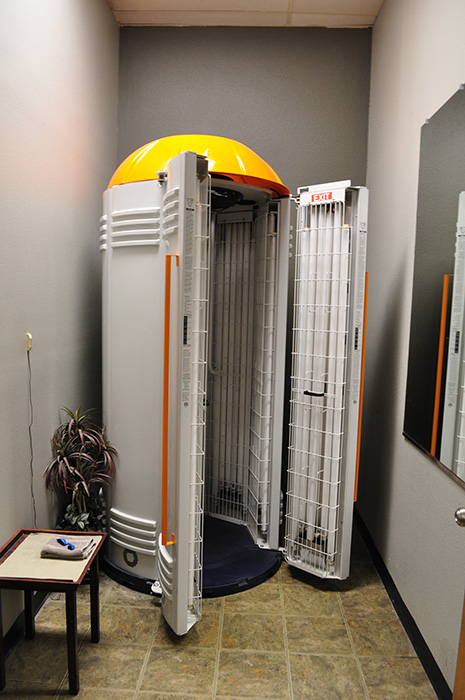
Your membership at SMART Sports gives you access to:
- 24-hour main gym
- Heavy lifting room
- Core/stretching area
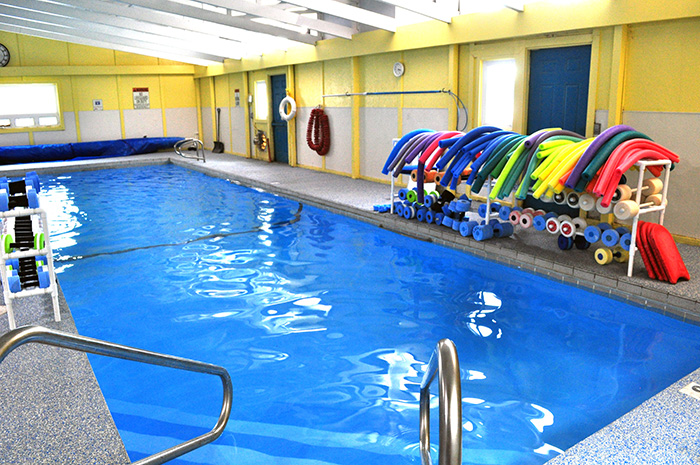
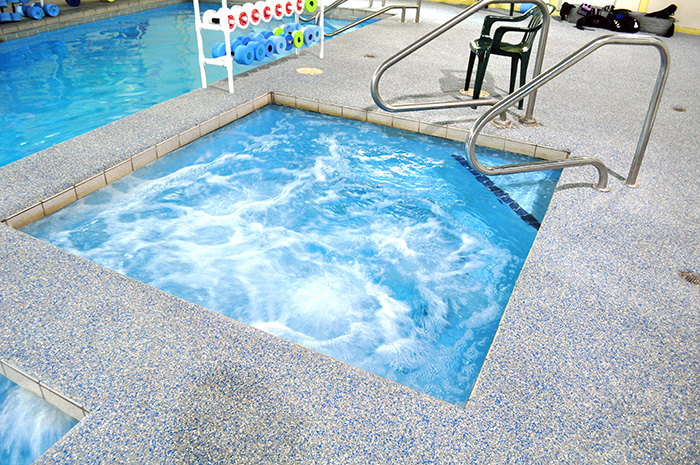
- 90° Saltwater pool
- Free fitness classes
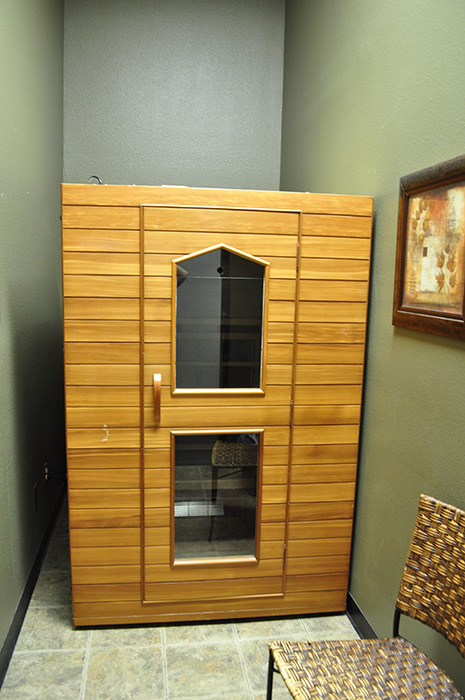
- Infrared sauna (business hours only)
- Access to personal training
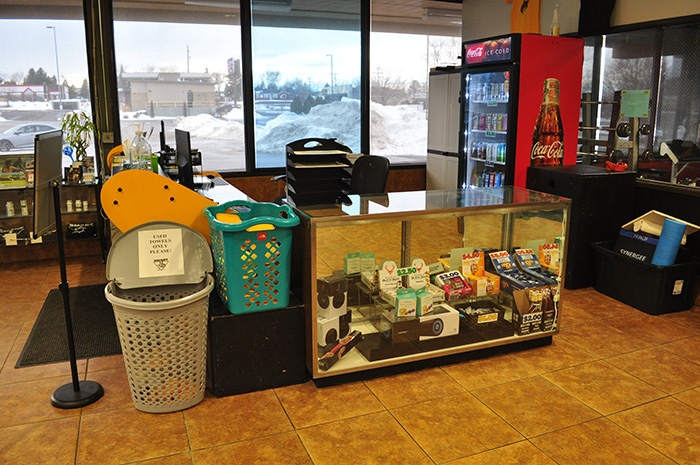
- Retail area with energy and pre-workout drinks, protein bars, cookies, shakes and vitamins
Let’s Get You Better ASAP!
Don’t let pain dictate your life. Take the first step towards reclaiming your mobility and well-being with our expert support. Start your journey to a healthier you today.